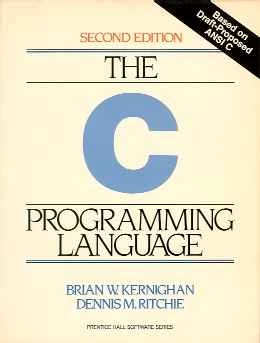

今朝、インターネットでデニス・リッチーが亡くなったというニュースが流れました。
リッチー博士にはスティーブ・ジョブズのような熱狂的な支持者はいないが、私たちが暮らすコンピュータの世界を創造し、さらにはその美しさを確立した功績は、はるかに大きいと言えるだろう。リッチー博士に直接の恩恵を受けていないパーソナルコンピューティング製品やパラダイムを見つけるのは、ほとんど不可能だ。
1970年代の活気あふれるベル研究所で、デニス・リッチーはC言語を開発し、Unixオペレーティングシステムの共同開発を行いました。CとUnixが登場する以前、コンピュータの世界は想像を絶するほど断片化されていました。様々なコンピュータで動作するように書かれたソフトウェアなど存在しませんでした。すべてが特定のプラットフォーム向けにカスタムコード化されており、「1バイトの大きさは?」といった基本的な事柄に関して、プラットフォームごとに大きく異なる標準が存在していました。
私たちが今持っているものすべて ― インターネットサーバー、電話のバックボーン、そして私が今この文章を入力するのに使っているキーボードのマイクロプロセッサ ― は、リッチーの功績から生まれたものです。あなたは今、Drupal で構築されたウェブサイトでこれを読んでいます。Drupal は PHP で書かれており、PHP は C で書かれています。(ただし、このページを印刷したプリンターの内部が C でコーディングされている場合は別です。)さて、一般的なソフトウェアの実装に使われているプログラミング言語の一覧表をご覧ください。C の列と、その隣にある C++ の列が非常に多く使われていることに注目してください。C++ は C の拡張版として開発されました。
彼の功績が単なる無味乾燥な舞台裏の遺産と思われないように、デニス・リッチーが1994年に書いた『Unix-Haters' Handbook』の「反序文」を全文引用します。リッチーの言う通りでした。
From: [email protected] Date: Tue, 15 Mar 1994 00:38:07 EST Subject: anti-foreword To the contributers to this book: I have succumbed to the temptation you offered in your preface: I do write you off as envious malcontents and romantic keepers of memo- ries. The systems you remember so fondly (TOPS-20, ITS, Multics, Lisp Machine, Cedar/Mesa, the Dorado) are not just out to pasture, they are fertilizing it from below. Your judgments are not keen, they are intoxicated by metaphor. In the Preface you suffer first from heat, lice, and malnourishment, then become prisoners in a Gulag. In Chapter 1 you are in turn infected by a virus, racked by drug addiction, and addled by puffiness of the genome. Yet your prison without coherent design continues to imprison you. How can this be, if it has no strong places? The rational prisoner exploits the weak places, creates order from chaos: instead, collec- tives like the FSF vindicate their jailers by building cells almost compatible with the existing ones, albeit with more features. The journalist with three undergraduate degrees from MIT, the researcher at Microsoft, and the senior scientist at Apple might volunteer a few words about the regulations of the prisons to which they have been transferred. Your sense of the possible is in no sense pure: sometimes you want the same thing you have, but wish you had done it yourselves; other times you want something different, but can't seem to get people to use it; sometimes one wonders why you just don't shut up and tell people to buy a PC with Windows or a Mac. No Gulag or lice, just a future whose intellectual tone and interaction style is set by Sonic the Hedgehog. You claim to seek progress, but you succeed mainly in whining. Here is my metaphor: your book is a pudding stuffed with apposite observations, many well-conceived. Like excrement, it contains enough undigested nuggets of nutrition to sustain life for some. But it is not a tasty pie: it reeks too much of contempt and of envy. Bon appetit!